Culture & Traditions
Kazakhstan is a country where ancient nomadic traditions meet modern innovation. The culture of the Kazakh people has been shaped by the vastness of the Great Steppe, respect for nature, and the spirit of freedom that guided generations of nomads.
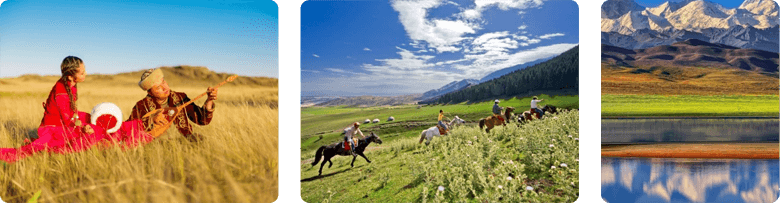
Music and Art
Music holds a special place in Kazakh culture. The dombra, a two-string instrument, carries centuries of oral history through its melodies. Traditional performers, called akyns, use music and poetry to tell stories, share wisdom, and celebrate life. Folk songs (kui) reflect deep emotions, legends, and the rhythm of nomadic life.
Traditional crafts — such as felting, embroidery, silver jewelry, and wood carving — remain an integral part of Kazakh artistry, often featuring symbolic patterns that represent the sun, freedom, and harmony.
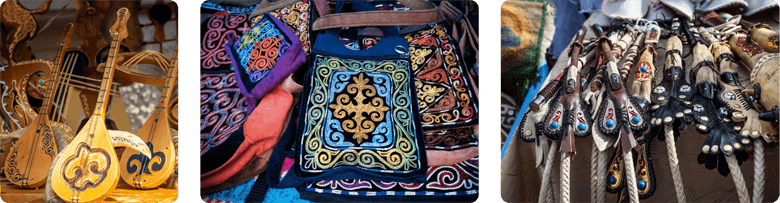
Lifestyle and Architecture
The yurt (kiiz ui) is a masterpiece of nomadic engineering — lightweight, durable, and easily assembled. It symbolizes unity with nature and the ingenuity of sustainable design. Inside, the décor reflects family values and craftsmanship, with colorful carpets (tuskiiz) and woven ornaments.
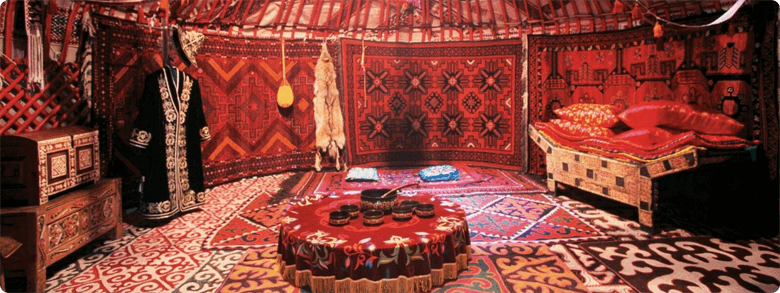
Customs and Hospitality
Kazakh hospitality is legendary. A guest is always honored with a special meal, symbolizing generosity and goodwill. Traditional dishes include beshbarmak (boiled meat with noodles), kazy (horsemeat sausage), baursaks (fried bread), and kumys (fermented mare’s milk). Sharing food is a sacred act of respect and friendship
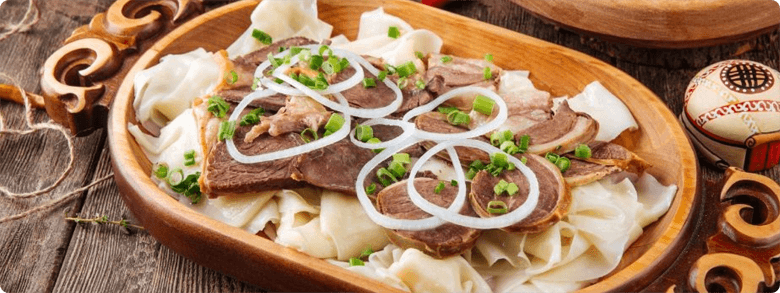
Clothing and Celebrations
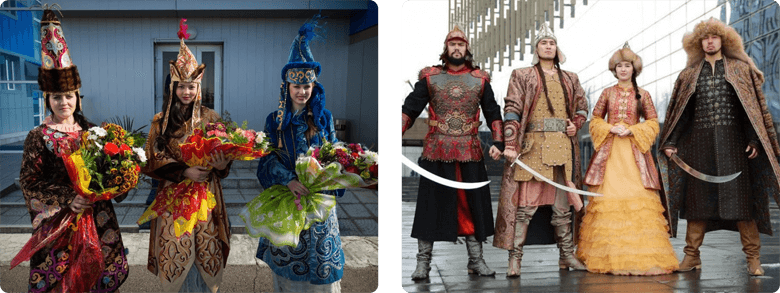
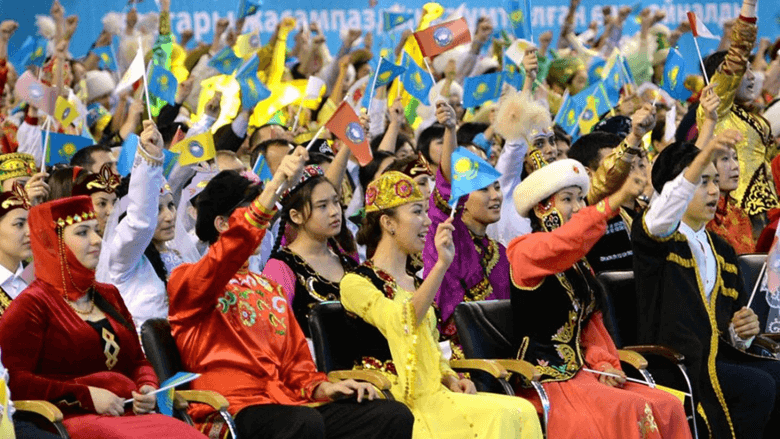
Traditional clothing features rich fabrics and intricate embroidery. Women often wear long dresses (koylek) with elaborate jewelry, while men’s garments include decorated coats (chapan) and fur hats (borsyk).
Kazakhstan’s major holidays include Nauryz, the spring equinox festival that symbolizes renewal and harmony. During Nauryz, people build yurts, prepare festive meals, play traditional games, and share blessings for prosperity.
Ust-Kamenogorsk (Öskemen)
The capital of the East Kazakhstan Region is one of the most picturesque and industrially advanced cities of Kazakhstan.
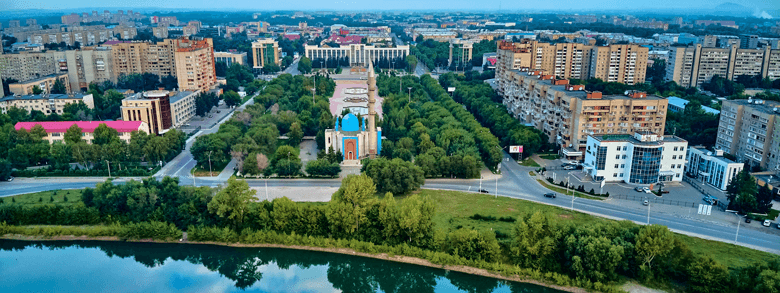
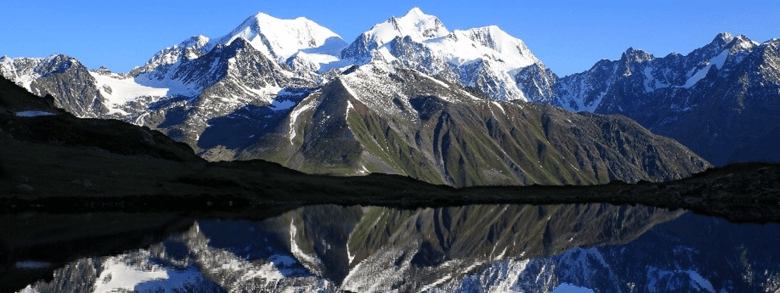
Located at the confluence of the Irtysh and Ulba rivers and surrounded by the majestic Altai Mountains, the city is often called “the gateway to the Altai.”
Nature and Landscape
East Kazakhstan is famous for its breathtaking natural diversity — from snow-capped mountains and crystal-clear lakes to vast steppes and pine forests. The Altai Mountains, shared by Kazakhstan, Russia, China, and Mongolia, are a UNESCO-recognized ecological treasure and a cradle of Turkic civilization.
Nearby attractions include Markakol Lake, Bukhtarma Reservoir, Katon-Karagai National Park, and Belukha Mountain, the highest peak in Siberia and Central Asia. These places are ideal for hiking, ecotourism, and scientific exploration.
City and Culture
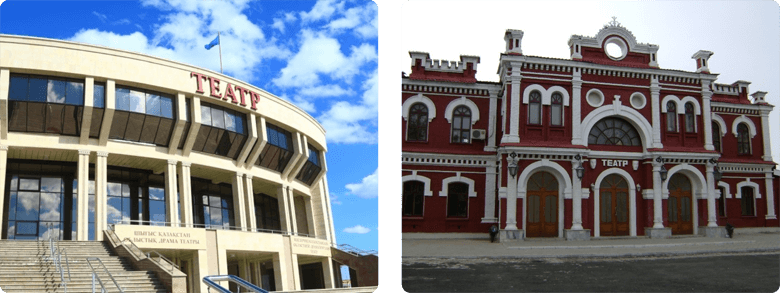
Founded in 1720 as a fortress, Ust-Kamenogorsk has grown into a vibrant center of engineering, metallurgy, and education. It combines modern infrastructure with a peaceful atmosphere and green parks. The city hosts several universities, research institutes, theaters, and museums that highlight its industrial and cultural heritage.
The Regional Museum of Local History and Altai Museum of Nature offer insights into the traditions, flora, and fauna of the region. Visitors can also enjoy the scenic Embarkment of the Irtysh River, the central square, and cozy local cafés.
Innovation and Industry
East Kazakhstan is one of the country’s key industrial hubs, producing nonferrous metals, machinery, and energy equipment. It also plays an important role in Kazakhstan’s green transition, with emerging renewable energy projects and sustainable technologies.

People and Traditions
The region is known for its multicultural harmony — Kazakh, Russian, and Altai traditions coexist peacefully, creating a unique blend of languages, cuisines, and customs. Local residents are renowned for their hospitality and warmth toward guests.
In Summary
Ust-Kamenogorsk and East Kazakhstan offer a rare combination of scientific innovation, cultural richness, and natural beauty. It is a region where the Altai spirit meets the future — the perfect setting for ARM 2026.
Shygys Salburyny International Festival
A Living Tradition of the Great Steppe
During the 2026 CDIO Asian Regional Meeting (CDIO ARM 2026) in Oskemen, international guests will have a rare opportunity to experience one of East Kazakhstan’s most spectacular cultural events – the Shygys Salburyny International Festival.
The festival is planned to take place on September 24–27, 2026, at Burkit Tobe, near Bozanbay village in Ulan District, East Kazakhstan Region. Located approximately 57 km from Oskemen, the festival site opens onto the wide steppe landscape, where Kazakhstan’s ancient nomadic traditions are presented not as a museum display, but as a living, dynamic cultural experience.
A special highlight of CDIO ARM 2026 will be Day 3 – September 26, 2026, which will be fully held at the venue of the Shygys Salburyny International Festival. On this day, CDIO ARM participants will move beyond the traditional conference setting and spend an entire day in the atmosphere of Kazakh nomadic culture, hospitality, music, crafts, falconry, and the open-air spirit of the Great Steppe.
Shygys Salburyny celebrates the traditional Kazakh art of qusbeginlik – hunting with birds of prey. This tradition brings together golden eagles, falcons, hawks, Tazy hounds, horses, crafts, music, national costumes, yurts, and the values of respect for nature. In Kazakhstan, falconry is closely connected with the culture of the Great Steppe and reflects a deep relationship between humans, animals, and the natural environment.
For foreign visitors, the festival offers a memorable introduction to Kazakhstan beyond the conference hall. Guests can see berkutchi – traditional eagle hunters – demonstrate their mastery with golden eagles and other birds of prey. These performances show not only speed and precision, but also the deep bond between a hunter and a trained bird, built through patience, discipline, and trust.
The word salburyn refers to a traditional collective hunting celebration inherited from ancient nomads. Historically, such gatherings lasted several days and combined hunting skills, horsemanship, storytelling, music, festive meals, and the transmission of knowledge from elders to younger generations. Today, the festival continues this role as a cultural bridge between generations, regions, and countries.
CDIO ARM 2026 Day 3 at Shygys Salburyny
A unique feature of the 2026 CDIO Asian Regional Meeting will be that Day 3 of the event, September 26, 2026, will be fully held at the Shygys Salburyny International Festival venue.
This format will turn the third day of CDIO ARM 2026 into a special cultural and educational experience. Participants will have the opportunity to combine professional networking with direct immersion into the heritage of East Kazakhstan. Instead of remaining within a conventional conference environment, delegates will spend the day in an open-air setting where tradition, community, nature, and international dialogue come together.
During the day, participants will be able to attend festival events, observe traditional eagle-hunting and falconry demonstrations, visit the ethno-village, explore yurts and handicraft exhibitions, enjoy Kazakh music and performances, and experience the warm hospitality of the region.
By holding an entire day of the CDIO ARM 2026 program at Shygys Salburyny, the organizers aim to create a memorable bridge between engineering education, cultural sustainability, regional identity, and international collaboration.
What Guests Can Experience
Visitors can expect a rich open-air program including:
Falconry and Eagle-Hunting Demonstrations
Guests will have the opportunity to watch trained golden eagles, falcons, and hawks in action, guided by experienced berkutchi from Kazakhstan and other countries. These demonstrations are among the most impressive parts of the festival and show the unique skills preserved in Kazakh nomadic culture.
Tazy Hounds and Equestrian Traditions
The festival also introduces visitors to the Kazakh Tazy, a traditional hunting dog known for its speed, elegance, and intelligence. Together with horses and birds of prey, the Tazy is an important part of the traditional hunting culture of the steppe.
Ethno-Village with Yurts
An ethno-village will allow guests to explore traditional Kazakh yurts, regional cultural displays, handmade crafts, national ornaments, textiles, and local products. The yurt, as a symbol of nomadic life, represents hospitality, family, adaptability, and harmony with nature.
Kazakh Rituals and Ceremonies
International guests may experience elements of traditional Kazakh ceremonies such as betashar, tusaukeser, and besikke salu. These rituals introduce visitors to Kazakh family values, blessings, respect for elders, and the celebration of important stages of life.
Handicrafts and Local Products
The festival brings together artisans who present handmade felt items, national clothing, jewelry, leatherwork, decorative ornaments, and other crafts inspired by the steppe lifestyle. This gives visitors a chance to see how traditional knowledge and artistic skills are preserved and passed on.
Music, Dance, and Folk Performances
Guests can enjoy live performances featuring dombra music, traditional songs, folklore ensembles, dance groups, and contemporary Kazakh artists. Music plays an important role in Kazakh culture and helps create the festive atmosphere of the event.
Why International Guests Should Visit
Shygys Salburyny is more than a festival. It is an open-air classroom of nomadic civilization, where visitors can see how traditional knowledge is preserved, practiced, and transmitted from generation to generation.
For CDIO ARM 2026 participants, the festival reflects themes that are also important for the CDIO community: experiential learning, skills development, intergenerational knowledge transfer, cultural sustainability, responsible interaction with nature, and the connection between heritage and innovation.
Whether visiting Kazakhstan for the first time or returning to discover more of its regions, Shygys Salburyny offers a powerful and unforgettable encounter with the spirit of the Great Steppe. The flight of a golden eagle, the sound of the dombra, the beauty of horses moving across the steppe, the warmth of yurt hospitality, and the openness of the people of East Kazakhstan will make this day one of the most memorable parts of CDIO ARM 2026.
Practical Information
Date of the festival: September 24–27, 2026
CDIO ARM 2026 Program Highlight: Day 3 – September 26, 2026 – will be fully held at the Shygys Salburyny International Festival venue
Venue: Burkit Tobe, Bozanbay village, Ulan District, East Kazakhstan Region
Distance from Oskemen: approximately 57 km
Format: full-day cultural and educational program for CDIO ARM 2026 participants at the festival site
Recommended clothing: comfortable outdoor clothing and shoes, as the event is held in an open steppe area
Note: final timing, transport arrangements, and the detailed visitor program will be confirmed closer to the event date.