Culture & Traditions
Kazakhstan is a country where ancient nomadic traditions meet modern innovation. The culture of the Kazakh people has been shaped by the vastness of the Great Steppe, respect for nature, and the spirit of freedom that guided generations of nomads.
Music and Art
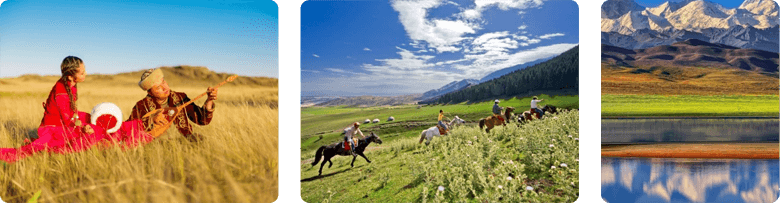
Music holds a special place in Kazakh culture. The dombra, a two-string instrument, carries centuries of oral history through its melodies. Traditional performers, called akyns, use music and poetry to tell stories, share wisdom, and celebrate life. Folk songs (kui) reflect deep emotions, legends, and the rhythm of nomadic life.
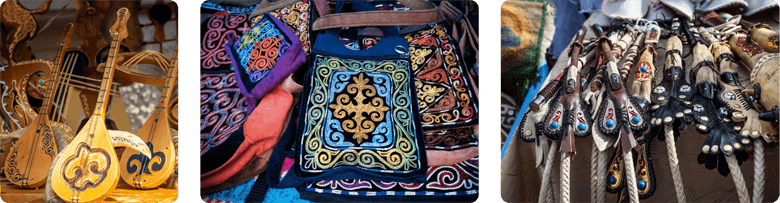
Traditional crafts — such as felting, embroidery, silver jewelry, and wood carving — remain an integral part of Kazakh artistry, often featuring symbolic patterns that represent the sun, freedom, and harmony.
Lifestyle and Architecture
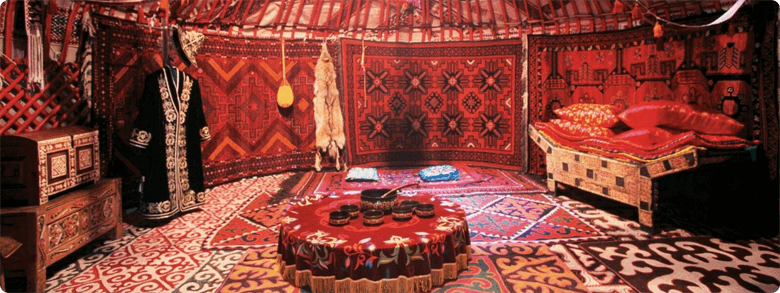
The yurt (kiiz ui) is a masterpiece of nomadic engineering — lightweight, durable, and easily assembled. It symbolizes unity with nature and the ingenuity of sustainable design. Inside, the décor reflects family values and craftsmanship, with colorful carpets (tuskiiz) and woven ornaments.
Customs and Hospitality
Kazakh hospitality is legendary. A guest is always honored with a special meal, symbolizing generosity and goodwill. Traditional dishes include beshbarmak (boiled meat with noodles), kazy (horsemeat sausage), baursaks (fried bread), and kumys (fermented mare’s milk). Sharing food is a sacred act of respect and friendship

Clothing and Celebrations
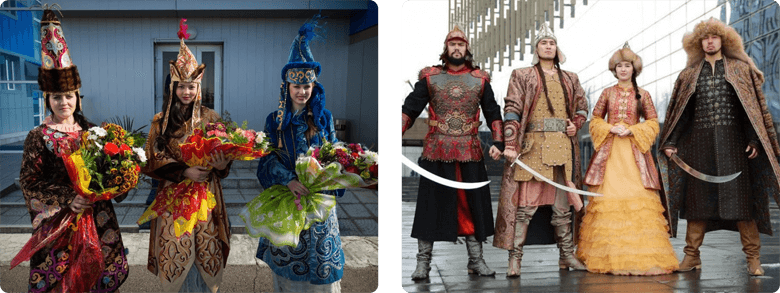
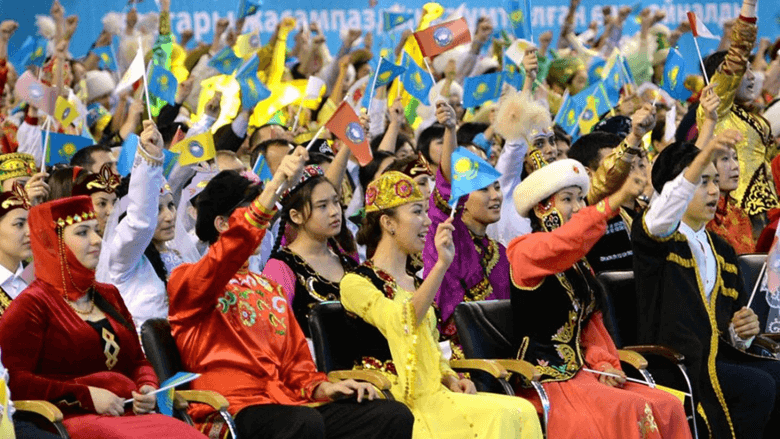
Traditional clothing features rich fabrics and intricate embroidery. Women often wear long dresses (koylek) with elaborate jewelry, while men’s garments include decorated coats (chapan) and fur hats (borsyk).
Kazakhstan’s major holidays include Nauryz, the spring equinox festival that symbolizes renewal and harmony. During Nauryz, people build yurts, prepare festive meals, play traditional games, and share blessings for prosperity.
Ust-Kamenogorsk (Öskemen)
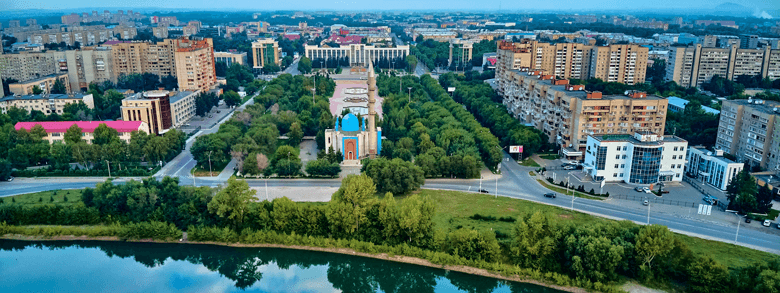
The capital of the East Kazakhstan Region is one of the most picturesque and industrially advanced cities of Kazakhstan.
Located at the confluence of the Irtysh and Ulba rivers and surrounded by the majestic Altai Mountains, the city is often called “the gateway to the Altai.”
Nature and Landscape
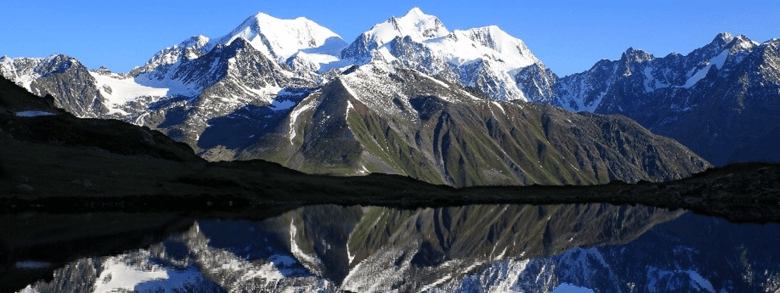
East Kazakhstan is famous for its breathtaking natural diversity — from snow-capped mountains and crystal-clear lakes to vast steppes and pine forests. The Altai Mountains, shared by Kazakhstan, Russia, China, and Mongolia, are a UNESCO-recognized ecological treasure and a cradle of Turkic civilization.
Nearby attractions include Markakol Lake, Bukhtarma Reservoir, Katon-Karagai National Park, and Belukha Mountain, the highest peak in Siberia and Central Asia. These places are ideal for hiking, ecotourism, and scientific exploration.
City and Culture
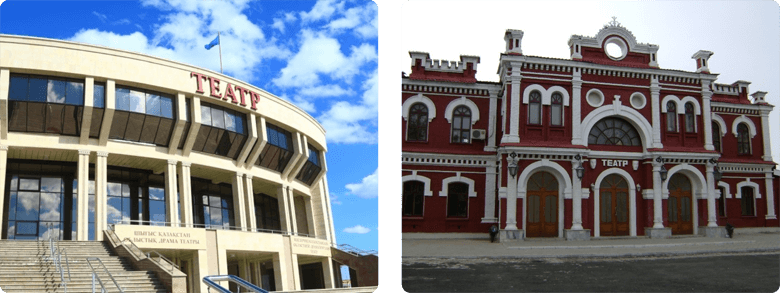
Founded in 1720 as a fortress, Ust-Kamenogorsk has grown into a vibrant center of engineering, metallurgy, and education. It combines modern infrastructure with a peaceful atmosphere and green parks. The city hosts several universities, research institutes, theaters, and museums that highlight its industrial and cultural heritage.
The Regional Museum of Local History and Altai Museum of Nature offer insights into the traditions, flora, and fauna of the region. Visitors can also enjoy the scenic Embarkment of the Irtysh River, the central square, and cozy local cafés.
Innovation and Industry
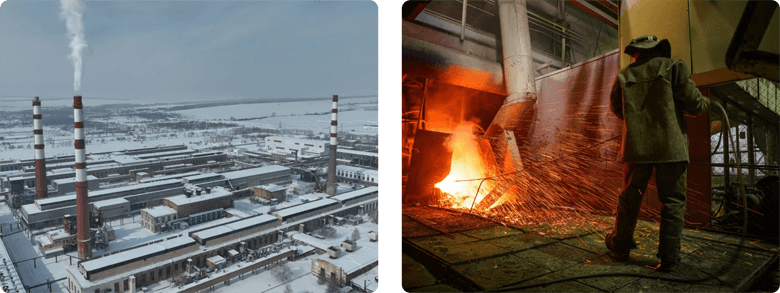
East Kazakhstan is one of the country’s key industrial hubs, producing nonferrous metals, machinery, and energy equipment. It also plays an important role in Kazakhstan’s green transition, with emerging renewable energy projects and sustainable technologies.
People and Traditions
The region is known for its multicultural harmony — Kazakh, Russian, and Altai traditions coexist peacefully, creating a unique blend of languages, cuisines, and customs. Local residents are renowned for their hospitality and warmth toward guests.
In Summary
Ust-Kamenogorsk and East Kazakhstan offer a rare combination of scientific innovation, cultural richness, and natural beauty. It is a region where the Altai spirit meets the future — the perfect setting for ARM 2026.
Modern Kazakhstan
Kazakhstan is a modern, forward-looking country located at the heart of Eurasia — a bridge between East and West. Since gaining independence in 1991, the nation has transformed into one of the region’s leading centers of innovation, education, and sustainable
development.

Innovation and Technology
Driven by its “Digital Kazakhstan” strategy, the country is actively developing new industries in artificial intelligence, renewable energy, robotics, space technologies, and smart manufacturing.
Tech parks and innovation hubs — such as Astana Hub and Tech Garden Almaty — support startups, research, and collaboration between academia and industry. Kazakhstan is also advancing green energy solutions, building solar and wind power stations across the steppe.

Engineering and Education
Engineering education plays a key role in Kazakhstan’s modernization. Universities across the country — including D. Serikbayev East Kazakhstan Technical University (EKTU) — are integrating global standards such as CDIO (Conceive—Design—Implement—Operate) to prepare future engineers for Industry 4.0.
Through partnerships with leading universities and research centers, Kazakhstan is fostering a new generation of engineers who combine scientific knowledge, practical skills, and entrepreneurial thinking.

Global Outlook
Kazakhstan actively participates in international initiatives and scientific cooperation, hosting major events on engineering education, innovation policy, and sustainable technologies. Its universities are increasingly represented in global rankings, reflecting the country’s commitment to quality education and global integration.

A Vision for the Future
Modern Kazakhstan stands for progress, openness, and innovation. It is a place where ancient traditions meet advanced technologies — and where science and education drive the nation’s development.